Daylight Saving Time
Posted: 26 Mar 2017 00:59
Daylight saving time returns and we can look forward to lighter evenings as the winter fades away. But precisely
when and why do the clocks spring forward?
Spring is officially here, the nights are becoming lighter, the temperature is getting (slightly) warmer and on
Sunday 26th March 2017, we will see the UK move to British Summer Time at 1am to be precise....
Daylight saving (DST) or summer time is the practice of advancing clocks during summer months by one hour so that
in the evening daylight is experienced an hour longer, and normal sunrise times are sacrificed.

Typically, regions with summer time adjust clocks forward one hour close to the start of spring and adjust them
backwards in the autumn to standard time.
Who's Idea Was It...
During the time he spent as American ambassador to France, American inventor and politician Benjamin Franklin
wrote an essay titled "An Economical Project for Diminishing the Cost of Light" to the editor of The Journal of Paris in 1784.
In his essay, he suggested that Parisians could reduce candle usage by getting out of bed earlier in the morning, making use of natural morning light instead.
More than one hundred years later, in 1895, an entomologist in New Zealand, George Vernon Hudson, outlined a day-light savings scheme to the Wellington Philosophical Society, which was trialed successfully in the country in 1927.
William Willet was the man who introduced the idea of Daytime Saving Time in Britain in 1907, he was keen to
prevent people from wasting vital hours of light during summer mornings.
He published a pamphlet called "The Waste of Daylight" in a bid to get people out of bed earlier by changing the
nations clocks.
Willet proposed moving the clocks backwards and forwards by 80 minutes, setting the clocks ahead 20 minutes on
each of the four Sunday's in April and switching them back by the same amount on each of the four Sunday's in
September, a total of eight time switches per year.
He then spent the rest of his life trying to convince people his scheme was a good one. Willet died of the flu aged
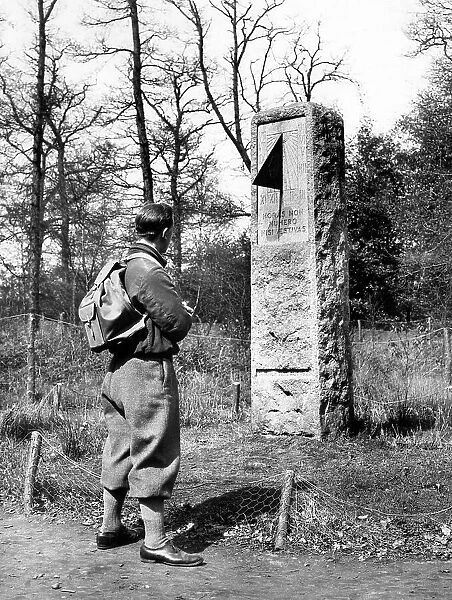
58 at his home near Bromley and is commemorated for his efforts by a memorial sundial in nearby Petts Wood, set permanently to Daytime Saving Time.
when and why do the clocks spring forward?
Spring is officially here, the nights are becoming lighter, the temperature is getting (slightly) warmer and on
Sunday 26th March 2017, we will see the UK move to British Summer Time at 1am to be precise....
Daylight saving (DST) or summer time is the practice of advancing clocks during summer months by one hour so that
in the evening daylight is experienced an hour longer, and normal sunrise times are sacrificed.
Typically, regions with summer time adjust clocks forward one hour close to the start of spring and adjust them
backwards in the autumn to standard time.
Who's Idea Was It...
During the time he spent as American ambassador to France, American inventor and politician Benjamin Franklin
wrote an essay titled "An Economical Project for Diminishing the Cost of Light" to the editor of The Journal of Paris in 1784.
In his essay, he suggested that Parisians could reduce candle usage by getting out of bed earlier in the morning, making use of natural morning light instead.
More than one hundred years later, in 1895, an entomologist in New Zealand, George Vernon Hudson, outlined a day-light savings scheme to the Wellington Philosophical Society, which was trialed successfully in the country in 1927.
William Willet was the man who introduced the idea of Daytime Saving Time in Britain in 1907, he was keen to
prevent people from wasting vital hours of light during summer mornings.
He published a pamphlet called "The Waste of Daylight" in a bid to get people out of bed earlier by changing the
nations clocks.
Willet proposed moving the clocks backwards and forwards by 80 minutes, setting the clocks ahead 20 minutes on
each of the four Sunday's in April and switching them back by the same amount on each of the four Sunday's in
September, a total of eight time switches per year.
He then spent the rest of his life trying to convince people his scheme was a good one. Willet died of the flu aged
58 at his home near Bromley and is commemorated for his efforts by a memorial sundial in nearby Petts Wood, set permanently to Daytime Saving Time.

