Dispelling the Drought
-
Redbeck
- Site Admin
- Posts: 2140
- Joined: 19 Dec 2010 15:42
- Location: The Rookery, 3rd Horse Chestnut along, St Johns, Britain. Teacher leave our nuts alone!
- Contact:
Dispelling the Drought
Happy New Year one and all, back from a desert patrol, we continue to battle the encroaching worldwide dust bowl and as you can tell from my rambling absence, the internet was much more than intermittent it was non-existent most of the time and as such massively in demand for the cultivation cause, when it was up. Still I find the laying on of hands at least gives me a personal glimmer of hope as I feel that I am taking a course of action no matter how miniscule. Add all our miniscule actions together and we might get real reversal movement. So ponder upon that if you would, for we face a shrinking inhabitable world and the numbers spell it out with certainty.
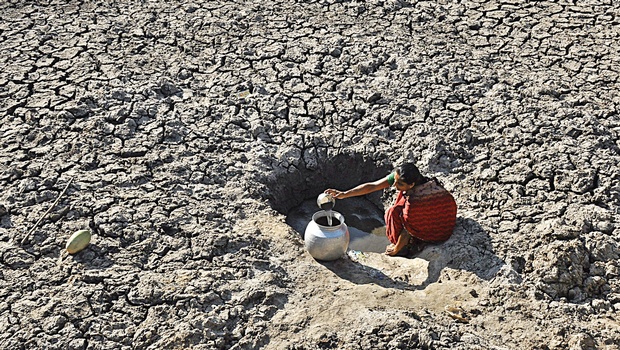
Different continents but the images are eerily similar: a lake in Viet Nam that supplied water to local farms and communities now completely dry; a major river in Colombia that nurtured the fishing trade now reduced to a narrow trickle threading its way through a basin of cracked mud and a rapidly shrinking watering hole in southern Malawi. These are just a few examples of the havoc that the 2014–2016 El Nino weather patterns are wreaking at all points of the compass.
Couple this with the alarming projection that many of the Mediterranean sun-belt countries, including Spain will be complete desert by 2100, the sheer enormity of the problem comes home with a resounding bump. While we concern ourselves with symbols and numbers they are simply massing to indicate a natural disaster of unprecedented scale in modern times. The global climate has been decimated and the earth’s fertility is declining rapidly as a result. So this is a New Year’s message with far reaching implications, we have to help reinstate forestation, nurture plant life conserve and recycle water. Wars will be fought in hitherto civilised countries over natural resources most notably water.
Annual tree cover loss in China has risen from 190,000 hectares a year in 2001 to peak at 750,000 hectares in 2008 but average over 375,000 hectares for the next four years, think of the massive lost volumes of carbon collection, oxygen & moisture creation and collection. So my beauties let 2017 be a year of purpose supported by serious learning as well as addition to theory.
Different continents but the images are eerily similar: a lake in Viet Nam that supplied water to local farms and communities now completely dry; a major river in Colombia that nurtured the fishing trade now reduced to a narrow trickle threading its way through a basin of cracked mud and a rapidly shrinking watering hole in southern Malawi. These are just a few examples of the havoc that the 2014–2016 El Nino weather patterns are wreaking at all points of the compass.
Couple this with the alarming projection that many of the Mediterranean sun-belt countries, including Spain will be complete desert by 2100, the sheer enormity of the problem comes home with a resounding bump. While we concern ourselves with symbols and numbers they are simply massing to indicate a natural disaster of unprecedented scale in modern times. The global climate has been decimated and the earth’s fertility is declining rapidly as a result. So this is a New Year’s message with far reaching implications, we have to help reinstate forestation, nurture plant life conserve and recycle water. Wars will be fought in hitherto civilised countries over natural resources most notably water.
Annual tree cover loss in China has risen from 190,000 hectares a year in 2001 to peak at 750,000 hectares in 2008 but average over 375,000 hectares for the next four years, think of the massive lost volumes of carbon collection, oxygen & moisture creation and collection. So my beauties let 2017 be a year of purpose supported by serious learning as well as addition to theory.
-
packajos000
- Posts: 1420
- Joined: 28 Jan 2016 04:10
- Contact:
Re: Dispelling the Drought
Happy New Year one and all,
back from a desert patrol,
nurture plant life conserve and recycle water.
Different continents but the images are eerily similar:
Add all our miniscule actions together and we might get real reversal movement.
So ponder upon that if you would,
Wars will be fought in hitherto civilised countries over natural resources most notably water.
So this is a New Year’s message with far reaching implications,
a lake in Viet Nam that supplied water to local farms and communities now completely dry;
a major river in Colombia that nurtured the fishing trade now reduced to a narrow trickle threading its way through a basin of cracked mud and a rapidly shrinking watering hole in southern Malawi.
Annual tree cover loss in China has risen from 190,000 hectares a year in 2001 to peak at 750,000 hectares in 2008 but average over 375,000 hectares for the next four years,
Couple this with the alarming projection that many of the Mediterranean sun-belt countries,
including Spain will be complete desert by 2100,
for we face a shrinking inhabitable world and the numbers spell it out with certainty.
think of the massive lost volumes of carbon collection,
we have to help reinstate forestation,
While we concern ourselves with symbols and numbers they are simply massing to indicate a natural disaster of unprecedented scale in modern times.
The global climate has been decimated and the earth’s fertility is declining rapidly as a result.
These are just a few examples of the havoc that the 2014–2016 El Nino weather patterns are wreaking at all points of the compass.
we continue to battle the encroaching worldwide dust bowl and as you can tell from my rambling absence,
the internet was much more than intermittent it was non-existent most of the time and as such massively in demand for the cultivation cause,
the sheer enormity of the problem comes home with a resounding bump.
Still I find the laying on of hands at least gives me a personal glimmer of hope as I feel that I am taking a course of action no matter how miniscule.
when it was up.
oxygen & moisture creation and collection.
So my beauties let 2017 be a year of purpose supported by serious learning as well as addition to theory.
...
back from a desert patrol,
nurture plant life conserve and recycle water.
Different continents but the images are eerily similar:
Add all our miniscule actions together and we might get real reversal movement.
So ponder upon that if you would,
Wars will be fought in hitherto civilised countries over natural resources most notably water.
So this is a New Year’s message with far reaching implications,
a lake in Viet Nam that supplied water to local farms and communities now completely dry;
a major river in Colombia that nurtured the fishing trade now reduced to a narrow trickle threading its way through a basin of cracked mud and a rapidly shrinking watering hole in southern Malawi.
Annual tree cover loss in China has risen from 190,000 hectares a year in 2001 to peak at 750,000 hectares in 2008 but average over 375,000 hectares for the next four years,
Couple this with the alarming projection that many of the Mediterranean sun-belt countries,
including Spain will be complete desert by 2100,
for we face a shrinking inhabitable world and the numbers spell it out with certainty.
think of the massive lost volumes of carbon collection,
we have to help reinstate forestation,
While we concern ourselves with symbols and numbers they are simply massing to indicate a natural disaster of unprecedented scale in modern times.
The global climate has been decimated and the earth’s fertility is declining rapidly as a result.
These are just a few examples of the havoc that the 2014–2016 El Nino weather patterns are wreaking at all points of the compass.
we continue to battle the encroaching worldwide dust bowl and as you can tell from my rambling absence,
the internet was much more than intermittent it was non-existent most of the time and as such massively in demand for the cultivation cause,
the sheer enormity of the problem comes home with a resounding bump.
Still I find the laying on of hands at least gives me a personal glimmer of hope as I feel that I am taking a course of action no matter how miniscule.
when it was up.
oxygen & moisture creation and collection.
So my beauties let 2017 be a year of purpose supported by serious learning as well as addition to theory.
...
Last edited by packajos000 on 04 Sep 2017 20:00, edited 2 times in total.
-
Redbeck
- Site Admin
- Posts: 2140
- Joined: 19 Dec 2010 15:42
- Location: The Rookery, 3rd Horse Chestnut along, St Johns, Britain. Teacher leave our nuts alone!
- Contact:
Re: Dispelling the Drought
Good day Packajos000,
Thank you for your customary mesmeric visual reply and welcome message.
A few forgotten moving parts that I meant to add to the original trail, or or do I really mean the tale. Unwisely decided to write in the aftermath of twelve hours travel with head sporadically lolling like a bladder on a stick. On reflection it represents a significant omission, but whilst I am not quite at the 'Bag of Crickets' stage yet i am certainly in a more lively condition.
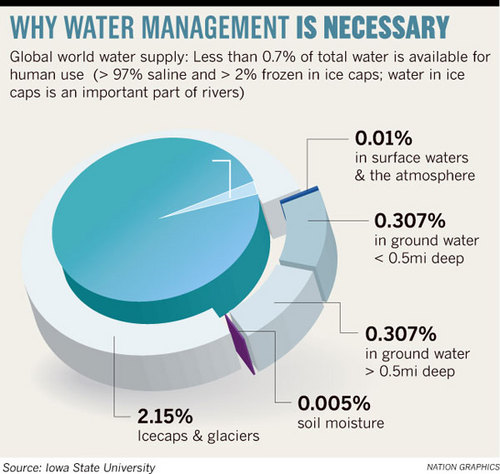
Water covers 70 per cent of the planet, therefore it is easy to believe that it will always be abundant. However, freshwater—the liquid which we drink, bathe in, irrigate our farm fields with etc is incredibly rare with only 3 percent of the world’s water actual genuine fresh water. An even more disturbing statistic is that two-thirds of that miniscule amount is either locked away in frozen glaciers or unavailable to humankind for other reasons.
As a result, there are already some 1.1 billion people worldwide with no direct access to water, and a total of 2.7 billion suffering water scarcity for at least one month of the year and water sources seem to dry up for longer each year. Inadequate sanitation causing water pollution is also a serious problem for 2.4 billion people, exposed to deadly debilitating diseases, such as cholera and typhoid fever, and other water-borne illnesses. Two million people, mostly children, die each year from diarrheal diseases alone.
And last but not least. Are the brains who calculated that it takes 660 gallons of water to produce a hamburger [1799 gallons to produce a pound of beef and 11 gallons for a slice of bread, simply unable to compute or in frank denial when it comes to the Internet, as they sit hunched over a device? Why does the Internet, a truly global system if there ever was, hold the right to retain immunity to the same analysis?
Spending two hours outside a coffee shop showing somebody a family holiday photograph album is not especially energy-intensive. Yet perform this act online, and then dispersing said gallery around to everyone in your email address book list, incurs vastly higher ecological costs.
Therefore the fact that the cyber force was not with me in Sierra de Tivissa, probably helped my personal quest in some small way, but that said we still have to load up a minutely diesel engine car with as many recycled plastic bottles full of water from the communal village fountain as the suspension will take, it is 6 kilometre round trip. Irrigation water is ‘grey’ and seeps down into subterranean aquifers back into the river below, used sparsely in winter anyway, although the annual rainfall has fallen to about 493mm which classifies the area as semi-desert, so it is a recoverable battle worth fighting.
Remember at the current consumption rate, the global water shortage will only get worse, short-term obscolescent materialism cannot continue at its present voracious pace for by 2025, yes twenty-twenty five two-thirds of the world’s population could face water shortages. And if we fail to repair already damaged ecosystems around the world, humankind will suffer even more.
Redbeck
Thank you for your customary mesmeric visual reply and welcome message.
A few forgotten moving parts that I meant to add to the original trail, or or do I really mean the tale. Unwisely decided to write in the aftermath of twelve hours travel with head sporadically lolling like a bladder on a stick. On reflection it represents a significant omission, but whilst I am not quite at the 'Bag of Crickets' stage yet i am certainly in a more lively condition.
Water covers 70 per cent of the planet, therefore it is easy to believe that it will always be abundant. However, freshwater—the liquid which we drink, bathe in, irrigate our farm fields with etc is incredibly rare with only 3 percent of the world’s water actual genuine fresh water. An even more disturbing statistic is that two-thirds of that miniscule amount is either locked away in frozen glaciers or unavailable to humankind for other reasons.
As a result, there are already some 1.1 billion people worldwide with no direct access to water, and a total of 2.7 billion suffering water scarcity for at least one month of the year and water sources seem to dry up for longer each year. Inadequate sanitation causing water pollution is also a serious problem for 2.4 billion people, exposed to deadly debilitating diseases, such as cholera and typhoid fever, and other water-borne illnesses. Two million people, mostly children, die each year from diarrheal diseases alone.
And last but not least. Are the brains who calculated that it takes 660 gallons of water to produce a hamburger [1799 gallons to produce a pound of beef and 11 gallons for a slice of bread, simply unable to compute or in frank denial when it comes to the Internet, as they sit hunched over a device? Why does the Internet, a truly global system if there ever was, hold the right to retain immunity to the same analysis?
Spending two hours outside a coffee shop showing somebody a family holiday photograph album is not especially energy-intensive. Yet perform this act online, and then dispersing said gallery around to everyone in your email address book list, incurs vastly higher ecological costs.
Therefore the fact that the cyber force was not with me in Sierra de Tivissa, probably helped my personal quest in some small way, but that said we still have to load up a minutely diesel engine car with as many recycled plastic bottles full of water from the communal village fountain as the suspension will take, it is 6 kilometre round trip. Irrigation water is ‘grey’ and seeps down into subterranean aquifers back into the river below, used sparsely in winter anyway, although the annual rainfall has fallen to about 493mm which classifies the area as semi-desert, so it is a recoverable battle worth fighting.
Remember at the current consumption rate, the global water shortage will only get worse, short-term obscolescent materialism cannot continue at its present voracious pace for by 2025, yes twenty-twenty five two-thirds of the world’s population could face water shortages. And if we fail to repair already damaged ecosystems around the world, humankind will suffer even more.
Redbeck
Re: Dispelling the Drought
My dad says this is post is really worth reading right to the end as he believes that we all need to take action as soon as we possibly can to help with the problem and conserve the water we have.
We live 50 minutes drive south from Tarragona inland from the Costa Dorada in Spain, and he believes that even in Mediterranean Europe they'll be fighting over water supplies within the next 10 to fifteen years and although we've had some rain and a bit more than usual it's not enough. He also says, that instead of chopping down trees, especially in cities because there aren't so many parks, we should be planting them and helping them grow as bigger forests help create more rainfall, Ms Margalef my geography teacher says the same.
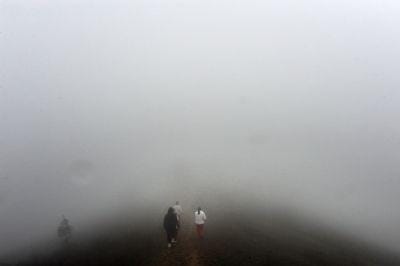
She has been talking about 'fog nets', it is quite foggy here in winter and apparently the extra water harvested from them is supposed to be a big amount and will help water a small vegetable garden if properly stored. Can anybody who's used them give me more information on this? Thank you.
We live 50 minutes drive south from Tarragona inland from the Costa Dorada in Spain, and he believes that even in Mediterranean Europe they'll be fighting over water supplies within the next 10 to fifteen years and although we've had some rain and a bit more than usual it's not enough. He also says, that instead of chopping down trees, especially in cities because there aren't so many parks, we should be planting them and helping them grow as bigger forests help create more rainfall, Ms Margalef my geography teacher says the same.
She has been talking about 'fog nets', it is quite foggy here in winter and apparently the extra water harvested from them is supposed to be a big amount and will help water a small vegetable garden if properly stored. Can anybody who's used them give me more information on this? Thank you.
-
Redbeck
- Site Admin
- Posts: 2140
- Joined: 19 Dec 2010 15:42
- Location: The Rookery, 3rd Horse Chestnut along, St Johns, Britain. Teacher leave our nuts alone!
- Contact:
Re: Dispelling the Drought
Dear Ostsolini,
Many thanks for your interesting question, your geography teacher Ms Margalef is quite right in what she says and is obviously passionate about sustaining the precious planet we live on as best we can. It would make an excellent school project on a smaller scale, because we should be using every ingenious device possible to maintain our water supplies. The only environmentally unfriendly aspect of fog nets is that they are manufactured from a petrochemical industry derived material and the fact that occasionally birds have become entangled in them. However, the rest is all good, so here is my fairly simplistic take on this effective and relatively inexpensive water production technique.

Fogs have the undoubted potential to provide an alternative source of fresh water in dry regions and are harvestable via simple, low-cost collection systems. The captured water can then be used for both agricultural irrigation and domestic use. Current research tends to confirm that fog collectors work best in locations subject to frequent periods of foggy weather, such as coastal areas where water can be harvested as fog is blown inland by the wind. However, the technology also offers a potential water supply in mountainous areas should water be present in stratocumulus clouds, working most effectively at altitudes of approximately 400 to 1,200 metres (1,312 to 12,917 feet) according to a paper first published by UNEP in 1997. According to the International Development Research Centre (1995), in addition to Chile, Peru, and Ecuador, the areas most likelyl to benefit as a result of ideal climatic conditions are the Atlantic coast of southern Africa (Angola, Namibia), South Africa, Cape Verde, China, Eastern Yemen, Oman, Mexico, Kenya, and Sri Lanka.

Well how does fog harvesting work? The technology is pretty much straight forward, consisting of either a single or double layer mesh net stretched between two tall posts fixed in the ground. Mesh panels can vary in size. Those used by the University of South Africa in its fog harvesting research project measured 70 m² (UNISA, 2008) whereas in the Yemen, a set of 26 small Standard Fog Collectors (SFC) of 1 m² were constructed (Schemenaur et al, no date). The material used for the mesh is usually nylon, polyethylene or polypropylene netting also known as ‘shade cloth’ in hot countries, the end product can be produced to various densities capable of capturing different quantities of water from the fog that passes through it. The collectors are normally positioned on ridgelines directly perpendicular to face prevailing winds, they then capture and collect water as fog sweeps through. Selection of the number and size of meshes is dictated by local topography, demand for water, along with availability of financial resources and materials. According to FogQuest the optimal allocation is single mesh units positioned at least 5 metres apart with additional fog collectors placed upstream at an elevation that is at least ten times higher than the primary fog collector panels, effectively bridging the collection gaps at higher altitude. That said, the University research project in South Africa elected to fix several mesh panels together in order to expand the water catchment area and provide greater stability to the structure in windy conditions (UNISA, 2008).

The collector and conveyance system is gravity fed. Water droplets that collect on the mesh run down the net, dripping into a gutter attached at the base of the net from which then drains through a series of pipes to collect in a storage tank or cistern. Typical water production rates from a fog collector range from 200 to 1,000 litres per day, which varies on a daily and seasonal basis (FogQuest). Efficiency of collection improves considerably as a result of larger fog droplets, higher wind speeds, and narrower collection fibres/mesh width. In addition, the mesh should have good drainage characteristics. Water collection rates from fog collectors are shown in Table A below.
Table A: Water collection rates from fog collectors Project Total
Total collection surface (m2) Water collected (litres per day)
University of South Africa 70 3,800
Yemen 40 4,500
Cape Verde 200 4,000
Dominican Republic 40 4,000
Eritrea 1,600 12,000
Sources: UNISA, 2008; Schemenauer et al, 2004; Washtechnology; FogQuest
The dimensions of the conveyance system and storage device will depend on the scale of the scheme. Storage facilities provided should be able to accommodate at least 50 per cent of the maximum daily volume of water required for human consumption. While for agricultural purposes, water is collected in a regulating tank, then transferred to a reservoir and finally fed into an irrigation system that farmers share to water their crops.

Operation and maintenance are relatively simple processes once the system has been properly installed. Nevertheless, an important element in terms of the sustainability of this technology is the establishment of a routine quality control programme to include the following tasks:
Inspection of mesh nets and cable tensions to prevent any deterioration in water harvesting efficiency and avoid structural damage.
Regular preventive maintenance of nets, drains and pipelines to include removal of dust, debris and algae.
Frequent inspection and maintenance of the storage tank or cistern to prevent accumulation of fungi and bacteria.
Where spare parts are not available locally, it is recommended that a stock of mesh and other components be kept as a back-up reserve to offset local supply restriction, especially in remote mountainous regions.
Drought caused by climate change is leading to a serious decrease in fresh water supply volumes in some regions. This has an immediate impact on agricultural output as the capability to plant and deliver growth-cycle long irrigation deteriorates. Fog harvesting most certainly provides an efficient modus operandi in terms of capturing crucial water supplies to support farming in areas suffering from this condition. Furthermore, additional environmental benefits are achieved, when irrigation water is used to expand forested areas or ground vegetation coverage, water supplies derived from fog harvesting can help significantly to counteract the top soil desertification process. Also, if hills in the vicinity are planted with trees, they too will collect fog water and contribute to the aquifers. The resulting eco-active forests are subsequently able to sustain themselves as well as contributing water to the overall ecosystem helping to build resilience against drier conditions.
http://www.973-eht-namuh-973.com/Alchem ... ING%20.htm
Many thanks for your interesting question, your geography teacher Ms Margalef is quite right in what she says and is obviously passionate about sustaining the precious planet we live on as best we can. It would make an excellent school project on a smaller scale, because we should be using every ingenious device possible to maintain our water supplies. The only environmentally unfriendly aspect of fog nets is that they are manufactured from a petrochemical industry derived material and the fact that occasionally birds have become entangled in them. However, the rest is all good, so here is my fairly simplistic take on this effective and relatively inexpensive water production technique.
Fogs have the undoubted potential to provide an alternative source of fresh water in dry regions and are harvestable via simple, low-cost collection systems. The captured water can then be used for both agricultural irrigation and domestic use. Current research tends to confirm that fog collectors work best in locations subject to frequent periods of foggy weather, such as coastal areas where water can be harvested as fog is blown inland by the wind. However, the technology also offers a potential water supply in mountainous areas should water be present in stratocumulus clouds, working most effectively at altitudes of approximately 400 to 1,200 metres (1,312 to 12,917 feet) according to a paper first published by UNEP in 1997. According to the International Development Research Centre (1995), in addition to Chile, Peru, and Ecuador, the areas most likelyl to benefit as a result of ideal climatic conditions are the Atlantic coast of southern Africa (Angola, Namibia), South Africa, Cape Verde, China, Eastern Yemen, Oman, Mexico, Kenya, and Sri Lanka.

Well how does fog harvesting work? The technology is pretty much straight forward, consisting of either a single or double layer mesh net stretched between two tall posts fixed in the ground. Mesh panels can vary in size. Those used by the University of South Africa in its fog harvesting research project measured 70 m² (UNISA, 2008) whereas in the Yemen, a set of 26 small Standard Fog Collectors (SFC) of 1 m² were constructed (Schemenaur et al, no date). The material used for the mesh is usually nylon, polyethylene or polypropylene netting also known as ‘shade cloth’ in hot countries, the end product can be produced to various densities capable of capturing different quantities of water from the fog that passes through it. The collectors are normally positioned on ridgelines directly perpendicular to face prevailing winds, they then capture and collect water as fog sweeps through. Selection of the number and size of meshes is dictated by local topography, demand for water, along with availability of financial resources and materials. According to FogQuest the optimal allocation is single mesh units positioned at least 5 metres apart with additional fog collectors placed upstream at an elevation that is at least ten times higher than the primary fog collector panels, effectively bridging the collection gaps at higher altitude. That said, the University research project in South Africa elected to fix several mesh panels together in order to expand the water catchment area and provide greater stability to the structure in windy conditions (UNISA, 2008).

The collector and conveyance system is gravity fed. Water droplets that collect on the mesh run down the net, dripping into a gutter attached at the base of the net from which then drains through a series of pipes to collect in a storage tank or cistern. Typical water production rates from a fog collector range from 200 to 1,000 litres per day, which varies on a daily and seasonal basis (FogQuest). Efficiency of collection improves considerably as a result of larger fog droplets, higher wind speeds, and narrower collection fibres/mesh width. In addition, the mesh should have good drainage characteristics. Water collection rates from fog collectors are shown in Table A below.
Table A: Water collection rates from fog collectors Project Total
Total collection surface (m2) Water collected (litres per day)
University of South Africa 70 3,800
Yemen 40 4,500
Cape Verde 200 4,000
Dominican Republic 40 4,000
Eritrea 1,600 12,000
Sources: UNISA, 2008; Schemenauer et al, 2004; Washtechnology; FogQuest
The dimensions of the conveyance system and storage device will depend on the scale of the scheme. Storage facilities provided should be able to accommodate at least 50 per cent of the maximum daily volume of water required for human consumption. While for agricultural purposes, water is collected in a regulating tank, then transferred to a reservoir and finally fed into an irrigation system that farmers share to water their crops.

Operation and maintenance are relatively simple processes once the system has been properly installed. Nevertheless, an important element in terms of the sustainability of this technology is the establishment of a routine quality control programme to include the following tasks:
Inspection of mesh nets and cable tensions to prevent any deterioration in water harvesting efficiency and avoid structural damage.
Regular preventive maintenance of nets, drains and pipelines to include removal of dust, debris and algae.
Frequent inspection and maintenance of the storage tank or cistern to prevent accumulation of fungi and bacteria.
Where spare parts are not available locally, it is recommended that a stock of mesh and other components be kept as a back-up reserve to offset local supply restriction, especially in remote mountainous regions.
Drought caused by climate change is leading to a serious decrease in fresh water supply volumes in some regions. This has an immediate impact on agricultural output as the capability to plant and deliver growth-cycle long irrigation deteriorates. Fog harvesting most certainly provides an efficient modus operandi in terms of capturing crucial water supplies to support farming in areas suffering from this condition. Furthermore, additional environmental benefits are achieved, when irrigation water is used to expand forested areas or ground vegetation coverage, water supplies derived from fog harvesting can help significantly to counteract the top soil desertification process. Also, if hills in the vicinity are planted with trees, they too will collect fog water and contribute to the aquifers. The resulting eco-active forests are subsequently able to sustain themselves as well as contributing water to the overall ecosystem helping to build resilience against drier conditions.
http://www.973-eht-namuh-973.com/Alchem ... ING%20.htm
Re: Dispelling the Drought
No further words needed,it says it all here in this caption.
Last edited by hope on 24 Sep 2017 00:07, edited 2 times in total.
Dispelling the Drought
More rain again this morning, and its forecast for all day - plus tomorrow as well. This looks like being the wettest spring and summer on record, and yet just a few miles away, they have a hosepipe ban despite rain there as well, and areas of "drought". 
Welcome again Anitadic to the Oracle Forum and thank you for your observation. Might I as ask what is your present geography Northern, Southern or Central European, North, South and Central America, West or South East Asia, the Antipodes?
This scenario certainly occurred in northern Britain to my specific knowledge. In fact there was one point during the great drought of 1976 (I was in living in Brussels, Belgium at the time, where we were labouring under an equally long, oppressively hot summer) when what they call communal standpipes were installed on the streets of Yorkshire (normally one of the wettest counties in England) and East Anglia in the United Kingdom and people had to queue up with buckets to obtain any kind of water supply. Tempers frayed of course and there were conflicts between people waiting for a supply.
Although thirty years on we are on the cusp of a new disaster, to the extent that murders are being committed as a result of water shortages which have led to dwindling tenable grazing land and the consequent demise of vast numbers of livestock, with the drought for example in East Africa due to intensify in 2017.
The problem is we are already lax in not necessarily collecting every last drop of water that falls from the sky and if it does not fall from the sky then we pump eco-harmful fossil fuels into desalination which is ravaging the oceans.
Yet on a brighter note at least I hear they are now fog harvesting water from the misty clouds floating over Kenya's Ngong' hills, a rocky ridge on the fringes of Nairobi city.

It would not go amiss for us to employ fog nets in intensely foggy areas of Europe to increase the water supply and be able to share with the rest of humanity.
Welcome again Anitadic to the Oracle Forum and thank you for your observation. Might I as ask what is your present geography Northern, Southern or Central European, North, South and Central America, West or South East Asia, the Antipodes?
This scenario certainly occurred in northern Britain to my specific knowledge. In fact there was one point during the great drought of 1976 (I was in living in Brussels, Belgium at the time, where we were labouring under an equally long, oppressively hot summer) when what they call communal standpipes were installed on the streets of Yorkshire (normally one of the wettest counties in England) and East Anglia in the United Kingdom and people had to queue up with buckets to obtain any kind of water supply. Tempers frayed of course and there were conflicts between people waiting for a supply.
Although thirty years on we are on the cusp of a new disaster, to the extent that murders are being committed as a result of water shortages which have led to dwindling tenable grazing land and the consequent demise of vast numbers of livestock, with the drought for example in East Africa due to intensify in 2017.
The problem is we are already lax in not necessarily collecting every last drop of water that falls from the sky and if it does not fall from the sky then we pump eco-harmful fossil fuels into desalination which is ravaging the oceans.
Yet on a brighter note at least I hear they are now fog harvesting water from the misty clouds floating over Kenya's Ngong' hills, a rocky ridge on the fringes of Nairobi city.

It would not go amiss for us to employ fog nets in intensely foggy areas of Europe to increase the water supply and be able to share with the rest of humanity.
Re: Dispelling the Drought
Staying on the subject of the state of our planet.
Daily Mail 10/04/2017 answers pg 22, it says!
Coco Cola produces 3,400 plastic bottles a second. Greenpeace say it makes over 100 billion throw away bottles
each year. 15-16 million plastic bottles from all sources thrown away each day in the UK!
Ten green bottles hanging on the wall,
And if one green bottle should accidentally fall,
There will be 9 green bottles hanging on the wall.
Daily Mail 10/04/2017 answers pg 22, it says!
Coco Cola produces 3,400 plastic bottles a second. Greenpeace say it makes over 100 billion throw away bottles
each year. 15-16 million plastic bottles from all sources thrown away each day in the UK!
Ten green bottles hanging on the wall,
And if one green bottle should accidentally fall,
There will be 9 green bottles hanging on the wall.
Last edited by hope on 11 Nov 2017 23:30, edited 1 time in total.
-
Redbeck
- Site Admin
- Posts: 2140
- Joined: 19 Dec 2010 15:42
- Location: The Rookery, 3rd Horse Chestnut along, St Johns, Britain. Teacher leave our nuts alone!
- Contact:
Re: Dispelling the Drought
As moisture falls on the land, it is generally the result of either: rainfall, snow, frost or mist, other than direct from irrigation techniques, all of which soil absorbs and stores. In simple terms for the sake of the sustained existence of humankind we must do everything in our power to ensure that not a single drop is either lost or wasted, for we are in a perilous position in this respect. While we scurry around as a voracious consumer society amidst endless political, religious and military posturing at every level of supposedly responsible government, we are conveniently, some would say with our heads in the sand, ignoring the catastrophic consequences of running out of the water of life, as we thoughtlessly drain the planet.

This water, any water is not just for drinking, and there is a radically dwindling supply of this commodity actually fit for human and fauna consumption, it must also be made available for both plants to access through their roots, and for the preservation of microorganisms that live in the soil beneath our feet, who, like all life on earth, need water to survive. Water also acts as a solvent in which nutrients in the soil can be absorbed by plant roots.
Increasing the water-holding capacity of our soil also helps preserve water, as less artificial irrigation is needed. The ability of the soil to store moisture is particularly vital in locations where precipitation is intermittent; also see my post thread ‘Save Our Soil’. Both threads describe the top of top priorities in terms of fundamentals we have to follow in saving the world.
Because gravity is always the hidden guiding hand behind water, it moves down through the soil. Any moisture that is not used by plants or microorganisms, or does not evaporate from the surface of the land, eventually makes its way down to the water table. In many parts of the world the water table is completely decimated. The rate at which moisture percolates through the soil depends primarily on its structure. Soil that is made up of predominantly clay particles slows the drainage of water more than soil with significant sand-particle content. Sand particles leave more space between themselves, allowing water to trickle through.
Adding organic matter improves the structure of the soil and promotes more plant and microorganism growth, both of which use water to grow. Planting ground cover crops reduces the rate of moisture evaporation from the surface of the soil, while contouring the land, by creating swales and other water-retention features, thus providing another way to slow the movement of water off the land. If there is one aspect of life preservation everybody has a responsibility to take even modest action on it is this, otherwise society will simply crumble and tumbleweed blow across empty plazas between redundant government buildings and apocalyptic life on Earth will simply become one long round of wars over water and cultivated food supplies. My words on the internet will simply dissolve into history because there will be no water left to cool the server farms.

Quite simply we must return to and re-examine our way of life, back to any roots that remain fertile on what may otherwise become a largely barren planet, without this entreaty left on some backup in the Cloud but perhaps ‘old school’ scribbled on an old envelope to remind you of what you must do before it is too late.
Remember plant life is often referred to as the lungs of the world, providing animals (including humans) with the oxygen they need to survive. Given that is the case, soil represents the diaphragm. The soil interacts with the atmosphere around it to create a beneficial balance of gases within both. Gases including nitrogen, oxygen and carbon dioxide flow into and out of soil so they remain at levels that support the life in the soil. A healthy soil, with lots of organic matter, sufficient moisture and variety of plant life, helps maintain the correct balance of gases.
Water is essential to this process and bearing in mind that the world has just taken a giant step backwards in terms of combating ‘Climate Change’ the weight of responsibility has risen on all of us as individuals to strive to reverse the damage that is already done. Save Our Water as Well as Our Soil.
Mother Nature is a most unforgiving task mistress; remember that even Presidents are having their strings pulled by the great spiritual puppet master!


This water, any water is not just for drinking, and there is a radically dwindling supply of this commodity actually fit for human and fauna consumption, it must also be made available for both plants to access through their roots, and for the preservation of microorganisms that live in the soil beneath our feet, who, like all life on earth, need water to survive. Water also acts as a solvent in which nutrients in the soil can be absorbed by plant roots.
Increasing the water-holding capacity of our soil also helps preserve water, as less artificial irrigation is needed. The ability of the soil to store moisture is particularly vital in locations where precipitation is intermittent; also see my post thread ‘Save Our Soil’. Both threads describe the top of top priorities in terms of fundamentals we have to follow in saving the world.
Because gravity is always the hidden guiding hand behind water, it moves down through the soil. Any moisture that is not used by plants or microorganisms, or does not evaporate from the surface of the land, eventually makes its way down to the water table. In many parts of the world the water table is completely decimated. The rate at which moisture percolates through the soil depends primarily on its structure. Soil that is made up of predominantly clay particles slows the drainage of water more than soil with significant sand-particle content. Sand particles leave more space between themselves, allowing water to trickle through.
Adding organic matter improves the structure of the soil and promotes more plant and microorganism growth, both of which use water to grow. Planting ground cover crops reduces the rate of moisture evaporation from the surface of the soil, while contouring the land, by creating swales and other water-retention features, thus providing another way to slow the movement of water off the land. If there is one aspect of life preservation everybody has a responsibility to take even modest action on it is this, otherwise society will simply crumble and tumbleweed blow across empty plazas between redundant government buildings and apocalyptic life on Earth will simply become one long round of wars over water and cultivated food supplies. My words on the internet will simply dissolve into history because there will be no water left to cool the server farms.

Quite simply we must return to and re-examine our way of life, back to any roots that remain fertile on what may otherwise become a largely barren planet, without this entreaty left on some backup in the Cloud but perhaps ‘old school’ scribbled on an old envelope to remind you of what you must do before it is too late.
Remember plant life is often referred to as the lungs of the world, providing animals (including humans) with the oxygen they need to survive. Given that is the case, soil represents the diaphragm. The soil interacts with the atmosphere around it to create a beneficial balance of gases within both. Gases including nitrogen, oxygen and carbon dioxide flow into and out of soil so they remain at levels that support the life in the soil. A healthy soil, with lots of organic matter, sufficient moisture and variety of plant life, helps maintain the correct balance of gases.
Water is essential to this process and bearing in mind that the world has just taken a giant step backwards in terms of combating ‘Climate Change’ the weight of responsibility has risen on all of us as individuals to strive to reverse the damage that is already done. Save Our Water as Well as Our Soil.
Mother Nature is a most unforgiving task mistress; remember that even Presidents are having their strings pulled by the great spiritual puppet master!

-
Redbeck
- Site Admin
- Posts: 2140
- Joined: 19 Dec 2010 15:42
- Location: The Rookery, 3rd Horse Chestnut along, St Johns, Britain. Teacher leave our nuts alone!
- Contact:
Re: Dispelling the Drought
Reemphasis is the Route to Action
When asked his views on the subject of global warming recently, veteran British naturalist and broadcaster Sir David Attenborough warned us in plain English: 'We should be very, very worried about it.... the land is being scorched, deserts are spreading, and the seas are warming - all those factors cause great changes in our fortunes.'
Continually shrinking freshwater supply only makes up a very small fraction of all water on the planet. While nearly 70 percent of the world is covered by water, only 2.5 percent of it is fresh. The rest is saline and ocean-based. Even then, just 1 percent of our freshwater is easily accessible, with much of it trapped in glaciers and snowfields.
This dwindling resource represents both an endangering national and global security issue due to increasing tensions within and between nations over access to limited water resources, as well as an environmental issue. The latter because excessive drawing of water from rivers and aquifers results in dropping water tables, diminishing downstream lower river flows, shrinking lakes and the disappearance of wetlands supporting major avian and animal colonies.

When asked his views on the subject of global warming recently, veteran British naturalist and broadcaster Sir David Attenborough warned us in plain English: 'We should be very, very worried about it.... the land is being scorched, deserts are spreading, and the seas are warming - all those factors cause great changes in our fortunes.'
Continually shrinking freshwater supply only makes up a very small fraction of all water on the planet. While nearly 70 percent of the world is covered by water, only 2.5 percent of it is fresh. The rest is saline and ocean-based. Even then, just 1 percent of our freshwater is easily accessible, with much of it trapped in glaciers and snowfields.
This dwindling resource represents both an endangering national and global security issue due to increasing tensions within and between nations over access to limited water resources, as well as an environmental issue. The latter because excessive drawing of water from rivers and aquifers results in dropping water tables, diminishing downstream lower river flows, shrinking lakes and the disappearance of wetlands supporting major avian and animal colonies.

Re: Dispelling the Drought
Staying on the theme of "Dispelling the Drought and planet pollution...
Despite the country's live affair with "gas guzzling" cars , you've got to be fair to the Germans,
they care more about the environment than your average country.
In the early 2000's in Germay, bottle deposits were introduced and supermarkets were made
legally responsible for taking back and reimbursing customers for empties, glass and plastic
bottles and cans by putting a monetary value on waste material, to motivate thirsty Germans
to schlep their empties back to the supermarket rather than throwing them away, by and large
it works very well.
The rest of the world should follow too, less GREEN bottles lying about our countryside.
'Spyrogyra' - Image by Tony Cragg
Despite the country's live affair with "gas guzzling" cars , you've got to be fair to the Germans,
they care more about the environment than your average country.
In the early 2000's in Germay, bottle deposits were introduced and supermarkets were made
legally responsible for taking back and reimbursing customers for empties, glass and plastic
bottles and cans by putting a monetary value on waste material, to motivate thirsty Germans
to schlep their empties back to the supermarket rather than throwing them away, by and large
it works very well.
The rest of the world should follow too, less GREEN bottles lying about our countryside.
'Spyrogyra' - Image by Tony Cragg
Last edited by hope on 16 Nov 2017 23:36, edited 1 time in total.
-
Redbeck
- Site Admin
- Posts: 2140
- Joined: 19 Dec 2010 15:42
- Location: The Rookery, 3rd Horse Chestnut along, St Johns, Britain. Teacher leave our nuts alone!
- Contact:
Re: Dispelling the Drought

A Starry Night Over the River Rhone - Vincent Van Gogh c1888

Re: Dispelling the Drought
Plastic and trash covering the miles -wide sea of the Caribbean.
Rubbish habits are turning an ocean paradise into a ghastly trash heap that streches for several miles 'from
horizon to horizon''.
Footage of water near Roatan, an island off the coast of Honduras, shows a massive heap of plastic waste floating
around the Caribbean Sea.
A diver is seen leaping from a boat into the filthy waters and wading through the thick layer of rubbish, which is
thought to have been washed out to sea by recent heavy rains.
British photographer Caroline Power, said "the unbelievable images show our planet is 'choking' on waste and we
are all to blame".
The amount of rubbish in Britain's seas has increased by more than 150 per cent in a year, figures released last week show.
This is an increase of 222 per cent on the 1992-4 figure, which is used to measure subsequent increases or decreases.
The figures also showed that plastic, which in non-recyclabe in many cases, makes up 77.9 per cent of marine
litter.
Both projections suggest the situation is likely to deteriorate further in future years, according to the paper, from
the Department for Environment, Food and Rural Affairs (Defra).
"I was born and raised in London but have spent the last 11 years working for a marine conservation organisation on
a tiny island in the Caribbean," Ms Power wrote in a blog for Huffington Post.
Many people don't think about how their daily habits and actions impact the planet. I am lucky enough to live in a
place where those impacts are visible.
It is thought the rubbish was washed into the sea from nearby Guatemala, carried on rivers swollen by the recent
rainy season flowing through towns and villages.
Ms Power originally shared images and video of the plastic island on Facebook in mid-October, writing: "This has to
stop-think about the plastic you use in your daily lives."
She challenged organisations to separate their rubbish for one week to see how many non-recylables they contribute
to global waste.
'To see something that I care so deeply for being killed, slowly choked to death by human waste was devastating.'
she told The Telegraph last month. She said they passed through the floating garbage for nearly five miles and then
reached an an area about two miles wide that had multiple trash lines that streched from horizon to horizon.
Once the trash is in the ocean, it is incredibly difficult and costly to remove. The key is to stop the trash before it
enters the ocean.
But Harry Pettit For Mailonline
10 Nov 2107
Rubbish habits are turning an ocean paradise into a ghastly trash heap that streches for several miles 'from
horizon to horizon''.
Footage of water near Roatan, an island off the coast of Honduras, shows a massive heap of plastic waste floating
around the Caribbean Sea.
A diver is seen leaping from a boat into the filthy waters and wading through the thick layer of rubbish, which is
thought to have been washed out to sea by recent heavy rains.
British photographer Caroline Power, said "the unbelievable images show our planet is 'choking' on waste and we
are all to blame".
The amount of rubbish in Britain's seas has increased by more than 150 per cent in a year, figures released last week show.
This is an increase of 222 per cent on the 1992-4 figure, which is used to measure subsequent increases or decreases.
The figures also showed that plastic, which in non-recyclabe in many cases, makes up 77.9 per cent of marine
litter.
Both projections suggest the situation is likely to deteriorate further in future years, according to the paper, from
the Department for Environment, Food and Rural Affairs (Defra).
"I was born and raised in London but have spent the last 11 years working for a marine conservation organisation on
a tiny island in the Caribbean," Ms Power wrote in a blog for Huffington Post.
Many people don't think about how their daily habits and actions impact the planet. I am lucky enough to live in a
place where those impacts are visible.
It is thought the rubbish was washed into the sea from nearby Guatemala, carried on rivers swollen by the recent
rainy season flowing through towns and villages.
Ms Power originally shared images and video of the plastic island on Facebook in mid-October, writing: "This has to
stop-think about the plastic you use in your daily lives."
She challenged organisations to separate their rubbish for one week to see how many non-recylables they contribute
to global waste.
'To see something that I care so deeply for being killed, slowly choked to death by human waste was devastating.'
she told The Telegraph last month. She said they passed through the floating garbage for nearly five miles and then
reached an an area about two miles wide that had multiple trash lines that streched from horizon to horizon.
Once the trash is in the ocean, it is incredibly difficult and costly to remove. The key is to stop the trash before it
enters the ocean.
But Harry Pettit For Mailonline
10 Nov 2107
Re: Dispelling the Drought
Catastrophic warning about the fate of humanity is given by 15,000 scientists who claim human destruction of
natural world will lead to 'misery' and an 'irretrievably mutilated' planet.
A prophetic 'warning to humanity' giving notice of perils facing the Earth has been issued by more than 15,00 scientists
form around the world.
Climate change, deforestation, loss of access to fresh water, species extinctions and uncontrolled human
population growth are all threatening mankind's and the aearth's future.
The letter, originally written in 1992 and signed by 1,500 scientists, argued human impacts on the natural world
we're likely to lead to "vast human misery" and a planet that was 'irretrievably mutilated'.
But a quarter of a century since a majority of the world's living Nobel Laureates United to sign a warning letter
about the Earth, the global scientific community's view of the future is even more bleak.
The scientists pointed out that in the past 25 years;
-The amount of fresh water available per head of population worldwide has reduced by 26 per cent.
-The number of ocean 'dead zones' - places where little can live because of pollution and oxygen starvation has
increased by 75 per cent.
-Nearly 300 million acres of forest have been lost, mostly to make way for agricultural land.
-Global carbon emissions and average temperatures have shown continued significant increases.
-Human population has risen by 35 per cent.
-Collectively the number of mammals, reptiles, amphibians, birds and fish in the world has fallen by 29 per cent.
This warning, posted online, updates an original warning from the Warning from the Union of Concerned
Scientists and around 1,700 signatories delivered in 1992.
Apart from the hole in the ozone layer, which has now been established, every one of the major threats identified
in 1992 has worsened.
Runaway consumption of precious resources by an exploding population remains the biggest danger facing human
kind, say the scientists.
In the second warning letter to the globe, more than 15,000 scientists from 184 countries said humans had
"unleashed a mass extinction event, the sixth in roughly 540 million years, wherein many current life forms
could be annihilated or at least committed to extinction by the end of the century'.
People should eat less meat, have fewer children, consume less and use green energy to save the planet, the
world's leading scientists urged.
"We are jeopardising our future by not reining in our intense but geographically and demographically uneven
material consumption and by not perceiving continued rapid population growth as a primary driver behind many
ecological and even societal threats'. it is said.
"By failing to adequately limit population growth, reassess the role of an economy rooted in growth, reduce
greenhouse gases, incentivise renewable energy, protect habitat, restore ecosystems, curb pollution, and constrain
invasive alien species, humanity is not taking the urgent steps needed to safeguard our imperilled biosphere.'
By Phoebe Weston For Mailonline
13 Nov 2017.
natural world will lead to 'misery' and an 'irretrievably mutilated' planet.
A prophetic 'warning to humanity' giving notice of perils facing the Earth has been issued by more than 15,00 scientists
form around the world.
Climate change, deforestation, loss of access to fresh water, species extinctions and uncontrolled human
population growth are all threatening mankind's and the aearth's future.
The letter, originally written in 1992 and signed by 1,500 scientists, argued human impacts on the natural world
we're likely to lead to "vast human misery" and a planet that was 'irretrievably mutilated'.
But a quarter of a century since a majority of the world's living Nobel Laureates United to sign a warning letter
about the Earth, the global scientific community's view of the future is even more bleak.
The scientists pointed out that in the past 25 years;
-The amount of fresh water available per head of population worldwide has reduced by 26 per cent.
-The number of ocean 'dead zones' - places where little can live because of pollution and oxygen starvation has
increased by 75 per cent.
-Nearly 300 million acres of forest have been lost, mostly to make way for agricultural land.
-Global carbon emissions and average temperatures have shown continued significant increases.
-Human population has risen by 35 per cent.
-Collectively the number of mammals, reptiles, amphibians, birds and fish in the world has fallen by 29 per cent.
This warning, posted online, updates an original warning from the Warning from the Union of Concerned
Scientists and around 1,700 signatories delivered in 1992.
Apart from the hole in the ozone layer, which has now been established, every one of the major threats identified
in 1992 has worsened.
Runaway consumption of precious resources by an exploding population remains the biggest danger facing human
kind, say the scientists.
In the second warning letter to the globe, more than 15,000 scientists from 184 countries said humans had
"unleashed a mass extinction event, the sixth in roughly 540 million years, wherein many current life forms
could be annihilated or at least committed to extinction by the end of the century'.
People should eat less meat, have fewer children, consume less and use green energy to save the planet, the
world's leading scientists urged.
"We are jeopardising our future by not reining in our intense but geographically and demographically uneven
material consumption and by not perceiving continued rapid population growth as a primary driver behind many
ecological and even societal threats'. it is said.
"By failing to adequately limit population growth, reassess the role of an economy rooted in growth, reduce
greenhouse gases, incentivise renewable energy, protect habitat, restore ecosystems, curb pollution, and constrain
invasive alien species, humanity is not taking the urgent steps needed to safeguard our imperilled biosphere.'
By Phoebe Weston For Mailonline
13 Nov 2017.
-
Redbeck
- Site Admin
- Posts: 2140
- Joined: 19 Dec 2010 15:42
- Location: The Rookery, 3rd Horse Chestnut along, St Johns, Britain. Teacher leave our nuts alone!
- Contact:
Re: Dispelling the Drought
Evening Hope, trust all is well with you. I have to say that is just about one of the best, most poignant 'State of the Planet' addresses that I've seen in a long time. Just what we need, that and pounding on the doors of government!
Thank You.
Redbeck

Thank You.
Redbeck

Who is online
Users browsing this forum: Bing [Bot] and 91 guests