We did it! Humankind has finally pushed a collection of governments into a major change for the good of the planet and the longevity of our life-on-earth creature pollinator friends. Read the headline brothers and sisters,
‘EU member states support near-total neonicotinoids ban’
Member states have voted in favour of an almost complete ban on the use of neonicotinoid insecticides across the EU.
Scientific studies have linked their use to the decline of honeybees, wild bees and other pollinators over a lengthy period.
The vote represents a major extension to existing restrictions, which have been in place since 2013.
Nevertheless, manufacturers and some farming groups have opposed the move, maintaining that the science is far from absolute.
Neonicotinoids are the most widely applied class of insecticides in the world, but concerns about their impact on bees have been substantially reinforced by multiple trial results, including some referred to as ‘real world’ published last year.
An Informed Change of heart
Back in 2013 the European Union opted for a partial ban on the use of the three chemicals in the Neonicotinoid class: Clothianidin, Imidacloprid, and Thiamethoxam.
These restrictions specifically applied to crops including maize, wheat, barley, oats and oil seed rape. However, the latest agreed Commission regulation goes much further, meaning that virtually all outdoor usage of the chemicals will be banned.
A vote on the proposal had been postponed a number of times with countries split on the arguments for and against the move. However, this Friday's meeting saw a properly qualified majority vote in favour of the ban.

The action has been driven by a recent report produced by the European Food Safety Authority (Efsa), which found that neonicotinoids posed a threat to many species of bees, no matter where or how they are used in the outdoor environment.
‘The Commission had proposed these measures months ago, on the basis of the scientific advice from the European Food Safety Authority,’ commented Vytenis Andriukaitis, EU Commissioner for Health and Food Safety.
‘Bee health remains of paramount importance for me since it concerns biodiversity, food production and the environment,’ Andriukaitis went on to say.
Another key element that helped push the vote through was the UK's change of heart on the use of these insecticides. Environment Secretary Michael Gove announced in November 2017 that Britain would now support further restrictions.
"I think it has helped the dynamic," Franziska Achterberg from Greenpeace told media.
‘It has helped sway Ireland definitely, and then lately, the Germans, the Austrians and the Dutch. I think the fact the UK had come around was a good signal for them as well, that they could not stay behind,’ Achterberg continued.
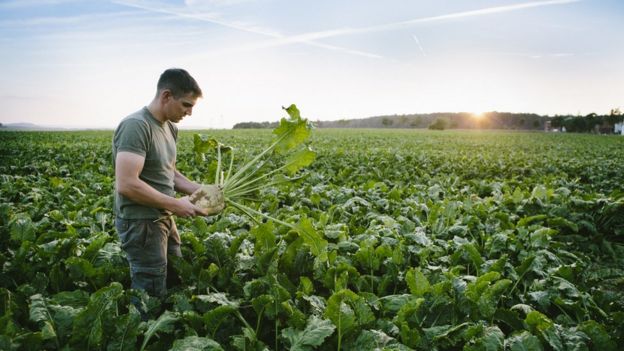
Growers across the EU will only be free to use neonicotinoids in greenhouses and that is despite some environmental groups having reservations about the chemicals leaching into water supplies. On the other hand, neonicotinoids, including thiacloprid and sulfoxaflor, will continue to be exempt from the ban.
Environmental campaigners welcomed the ban. Some five million people around the world had signed petitions calling for an extension of restrictions.
"Banning these toxic pesticides is a beacon of hope for bees," proclaimed Antonia Staats, from Avaaz the force behind the petitions.
‘Finally, our governments are listening to their citizens, the scientific evidence and farmers who know that bees can't live with these chemicals and we can't live without bees,’ she concluded.