galdRastaffIR
Posted: 14 Oct 2018 06:57
The Galdrastaffir, or Icelandic Staves, are a sigil-like work discovered in a tome in Iceland.
Iceland, being a last vestage of pre-christian European faith up until the conversion of the King of Denmark, and even some time after, likely has many such relics.
These staves would usually be drawn on the magician's hand in spit, blood, or other such fluids. Sometimes they would be carved into a stone and the etches were dyed red, much like a runestone would. Staves could be paired with another as was used with the Ginfaxi "wrestling" stave pair, or used in ones.
The construction of these remains enigmatic, and will be the subject of my discussion today.
One theory that has been proposed is what I like to call the 'circuit theory'.
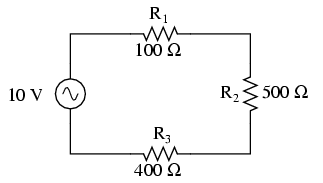
The basis of the theory is that the staves were circuits of magickal 'energy' and the symbols on a stave identified things such as collection, distribution, switches, etc. This theory does not have evidence besides its basic logic, and seeing how Icelandic peoples did not have a concept of 'energy', I do not find it to hold stone.
Another prevailing theory is one I call the 'rune theory', which I believe is the most likely.
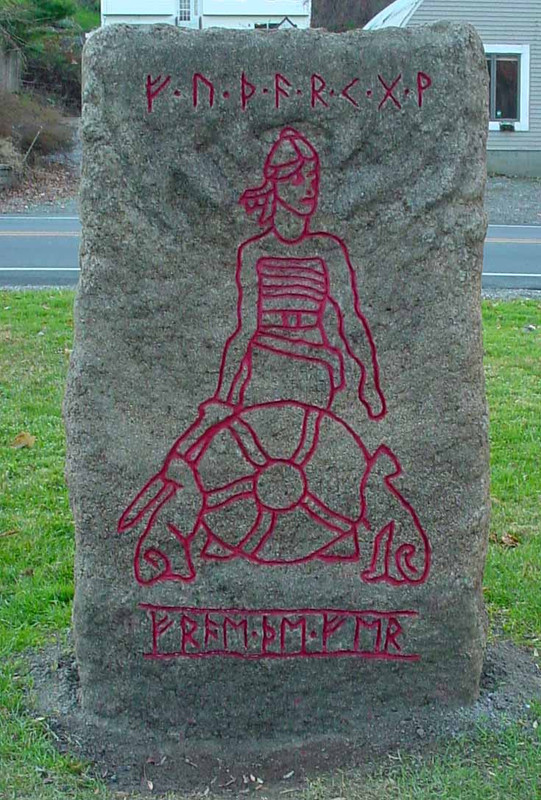
This idea states that the staff is a rube-goldberg type mashup of runes to create a function. For example, one of the staves could mean 'unfettered wisdom', which could be a combination of Uruz (durabilitu), Wunjo (odin, wisdom), and Fehu (Property, ownership). The staves do align with some of their runic counterparts typically, with one exception I will discuss shortly.
The primary argument against that theory is the similarities many staves have with semitic 'sigils' which do not have amything to do with runes. My counterclaim has to do with the exception I mentioned earlier.
The staves had asymmetric and symmetric versions. The symmetric versions such as the cartwheel and the crest designs were christianizations. Christianity, being abrahamic, would logically bring some things from the semitic people, which is likely where those forms of staves origimated, thus also making the runic staves much, much older than the text they were found in.
The below is an example of Galdrastaff.
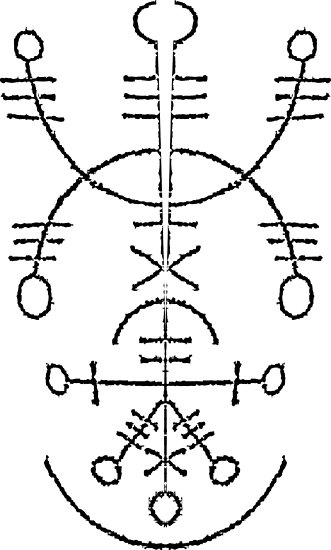
This particular example was used to 'create' necropants; a pair of trousers made from a dead man's skin that could make endless amounts of money.
Iceland, being a last vestage of pre-christian European faith up until the conversion of the King of Denmark, and even some time after, likely has many such relics.
These staves would usually be drawn on the magician's hand in spit, blood, or other such fluids. Sometimes they would be carved into a stone and the etches were dyed red, much like a runestone would. Staves could be paired with another as was used with the Ginfaxi "wrestling" stave pair, or used in ones.
The construction of these remains enigmatic, and will be the subject of my discussion today.
One theory that has been proposed is what I like to call the 'circuit theory'.
The basis of the theory is that the staves were circuits of magickal 'energy' and the symbols on a stave identified things such as collection, distribution, switches, etc. This theory does not have evidence besides its basic logic, and seeing how Icelandic peoples did not have a concept of 'energy', I do not find it to hold stone.
Another prevailing theory is one I call the 'rune theory', which I believe is the most likely.
This idea states that the staff is a rube-goldberg type mashup of runes to create a function. For example, one of the staves could mean 'unfettered wisdom', which could be a combination of Uruz (durabilitu), Wunjo (odin, wisdom), and Fehu (Property, ownership). The staves do align with some of their runic counterparts typically, with one exception I will discuss shortly.
The primary argument against that theory is the similarities many staves have with semitic 'sigils' which do not have amything to do with runes. My counterclaim has to do with the exception I mentioned earlier.
The staves had asymmetric and symmetric versions. The symmetric versions such as the cartwheel and the crest designs were christianizations. Christianity, being abrahamic, would logically bring some things from the semitic people, which is likely where those forms of staves origimated, thus also making the runic staves much, much older than the text they were found in.
The below is an example of Galdrastaff.
This particular example was used to 'create' necropants; a pair of trousers made from a dead man's skin that could make endless amounts of money.


